
Aphantasia, Hyperphantasia, and “Emotionality”
What do you mean, you’re watching everything that I’m saying?
NOTE: This post is about my personal experience with hyperphantasia and visual thinking and memory. If you are blind and/or deaf, you may not be able to relate as well as others. You are still welcome here, even though this post is written with a seeing and hearing audience in mind.
What if tomorrow, every word that you heard or read was not only seen and/or heard by you — but, a high definition video was shown to you of all of those things as well?
Imagine my surprise to figure out that one aspect (perhaps the primary aspect) of my cognitive and emotional framework that contributes to my experience of “big feelings” is the fact that I think in pictures and video. Could that be true for you too?
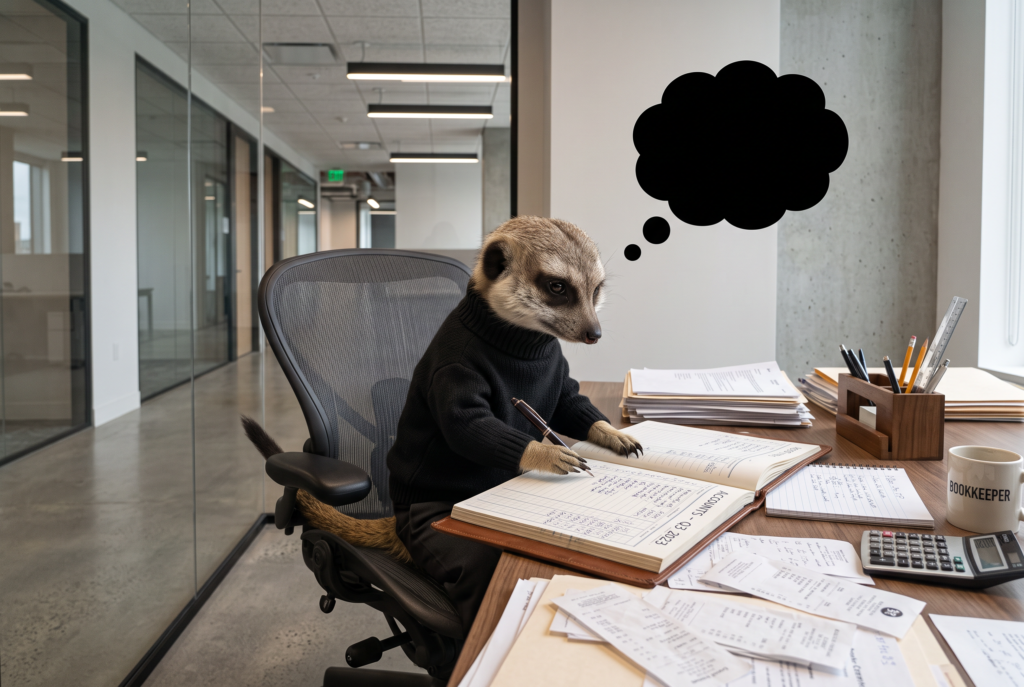
Aphantasia
Most folks have some experience of mental imagery to varying degrees of vividness, ability to mentally rotate objects, judge time and distance, “see” a math problem in their mind, etc. Aphantasics are people who either cannot intentionally create mental images or cannot create adequately vivid ones. Well… except that many aphantasics do have some sort of visual imagery when they dream… (link). Because otherwise, this would be too easy.
It turns out that Aphantasics may be about as empathetic as the typical person when they are looking at photos of various situations. But, these same aphantasics experience less empathy when they only hear descriptions of various situations (link). However, another study found that they experience less emotional response to both visual and verbal material depicting people in distress, but especially verbal descriptions. These aphantasic test subjects failed to react with normal levels of empathy right down to their neurobiology and despite being able to cognitively recognize the emotions of the people in distress.
Not being able to put “eyes on” a situation makes it more difficult for aphantasics to empathize with the people in that situation. So, this might be a good thing to ask about while dating, if you’re looking for someone with at least average empathy even when a photograph of a situation, or the situation itself, isn’t readily at hand.
Fun fact. Most folks who are aces at mental 3D object rotation are men. But, I’m aces at it (perfect score during standardized testing); and, I’m female (yes, both born female and genetically female). I wonder how many other “autism adjacent” people are similar, as sex certainly contributes to whether a person is autistic or not (link).
Hyperphantasia and “Emotionality”
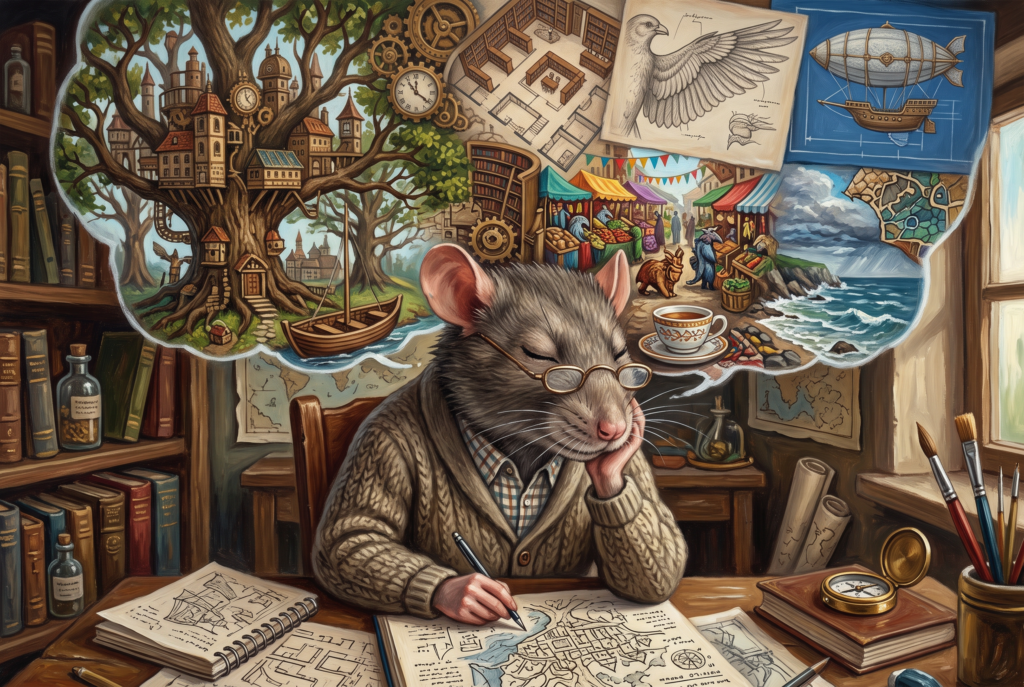
I’m concerned that many people with extreme visual mentation (hyperphantasia and/or visual thinking and/or visual memory) are being misdiagnosed with mood disorders.
If I were to tell the average person about a child who was suddenly reunited with their father after a significant period they would likely sympathize and even to some degree empathize. Now, what would happen to that same person from an emotional perspective, if I were to show them a high definition video of that same event, complete with images of the child looking expectantly through the glass door at the front of their apartment, the kiddo’s happy feet upon seeing the car pull into the driveway, the child’s reactions, and the dad running from his car to the front door casting his luggage to the side to get to his son more quickly? Much bigger feels — that’s what would happen. I’m tearing up with a wistful grin right now. Lol. And, those bigger feels will stick with them longer.
Similarly, when, GOD forbid, something bad has happened, many people would refuse to watch a video of it. Or, if they did, they would likely become much more emotionally distressed and for more time than just hearing about it. They may even become motivated to exercise additional caution the next time a similar event presents itself in their own life.
Why is it that video and photographs cause bigger feels? I don’t know. I just know that it is so. And, I also know that there’s not enough attention paid to people with big emotions. Is anyone checking with these folks to see whether they have especially vivid visual thinking and/or memory before they peg them with a mood disorder? Because if having bigger emotions upon seeing something rather than hearing about it means that someone has a mood disorder — then, most people have mood disorders.
It’s just that not everyone sees everything they read or hear. You see, my mind runs on video and photographs. If there aren’t any, it makes them so that I can process what is being said or written. So, if I’m thinking, it’s “dollars to doughnuts” that I’m “watching” multiple channels of video and/or photographs in high definition in my mind.
For me, there’s more. Mental videos and photographs don’t tend to loose lose much, if any, of their vividness over time. Even more powerfully, my mind attaches videos and images to other things that it finds logical or sensory links — which can result in “big feels cascades.” Thanks be to GOD, for me personally, my emotions tend to be on a “1,” “5,” “10” framework and my brain tends to round down. That’s probably not how it is for everyone.
Normal people have a greater degree of control and choice over how big their feelings get when they interact with written and spoken words. For me, the choice is often made for me by others.
Can we turn our focus onto hyperphantasics and visual thinkers now?